Phone:
(701)814-6992
Physical address:
6296 Donnelly Plaza
Ratkeville, Bahamas.

Phone:
(701)814-6992
Physical address:
6296 Donnelly Plaza
Ratkeville, Bahamas.
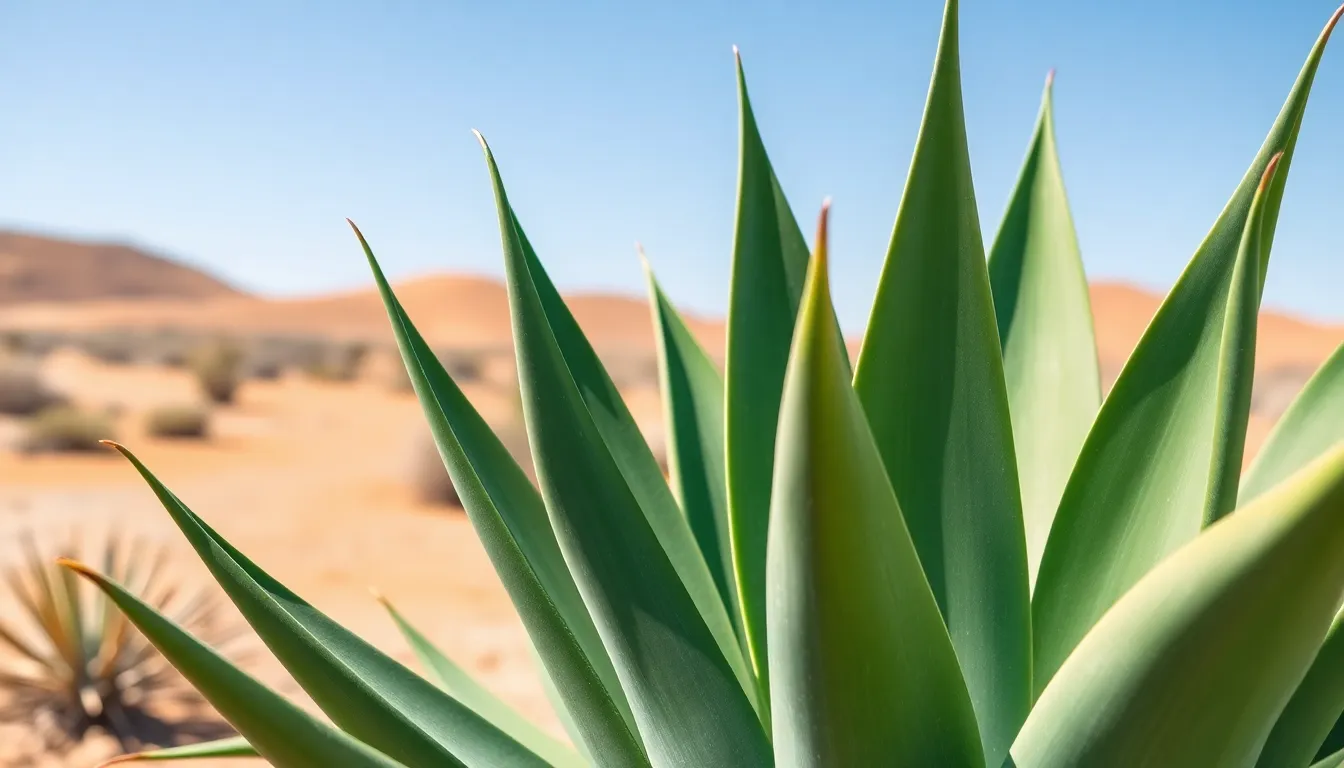
When it comes to houseplants, spiky leaf plants are the edgy rebels of the plant world. With their fierce appearance and unique textures, they not only add character to any space but also spark curiosity among plant enthusiasts. Whether you’re a seasoned botanist or a casual plant lover, identifying these prickly beauties can be a delightful challenge.
Spiky leaf plants stand out due to their distinctive features. Unique shapes and textures define them, captivating plant lovers and experts alike.
Spiky leaf plants exhibit thick, pointed leaves that often add dramatic flair to their surroundings. Varieties display colors like green, blue, and even purple. Some species feature rosette formations, while others grow tall and vertical. Enhanced by sharp edges or spines, these plants often deter herbivores. Their robust adaptations help them thrive in various environments. Many spiky leaf plants also tolerate dry conditions and can store water in fleshy leaves.
Spiky leaf plants thrive in arid and semi-arid regions, often found in deserts and scrublands. Cacti, for example, flourish in hot climates where water is scarce. Other types adapt to rocky terrains, relying on minimal soil. Tropical species often inhabit rainforests, flourishing in the understory with filtered sunlight. Some spiky leaf plants even grow in coastal areas, enduring salty conditions. Each habitat shapes their growth patterns and overall resilience.
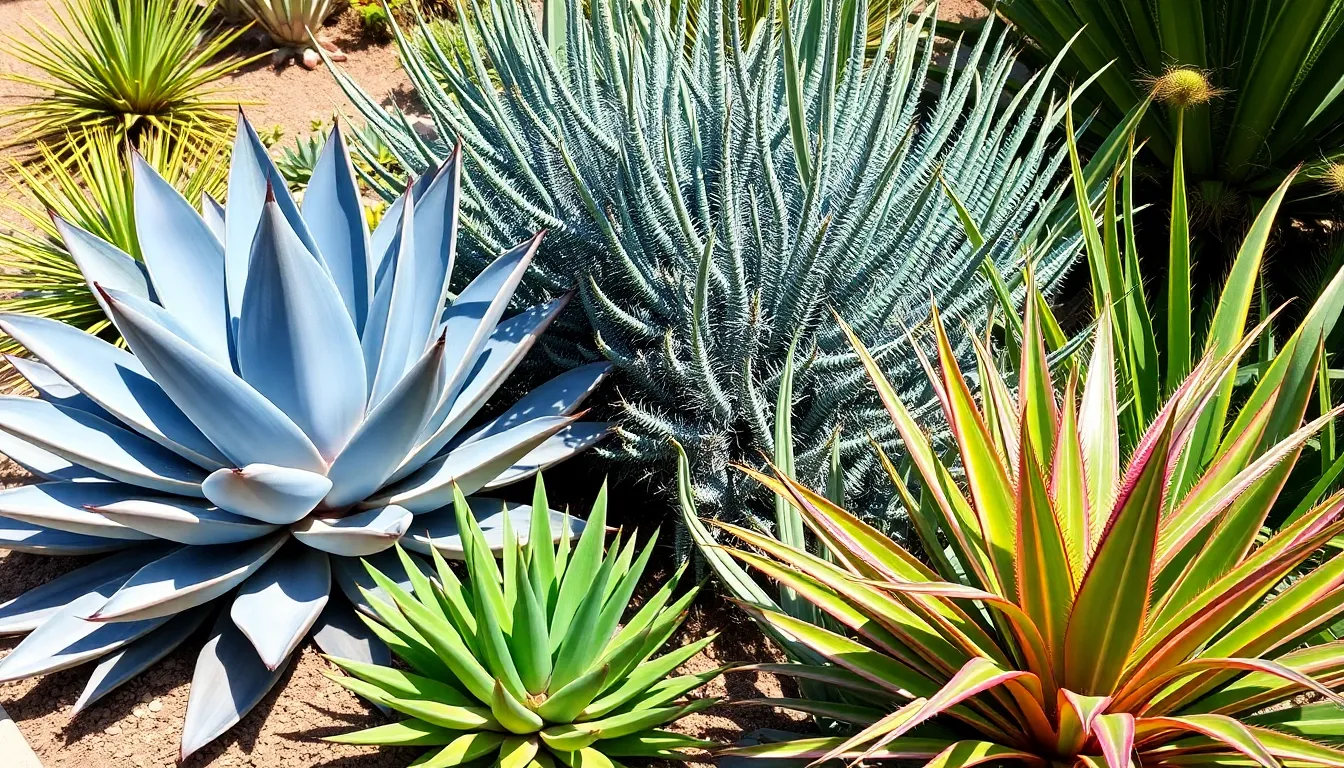
Spiky leaf plants come in various types, each with unique characteristics and charm. Identifying these plants can enhance one’s appreciation for their diverse forms.
Agave species, often found in arid environments, are known for their thick, fleshy leaves. Leaves can vary in color from deep green to blue-gray, creating striking visual contrasts. Sharp edges or spines line the leaf margins, giving them a fierce appearance. Many Agave plants grow in a rosette formation that adds drama to any landscape. They thrive on minimal water and adapt well to poor soils, making them popular in xeriscapes. Notable varieties include Agave americana and Agave parryi, both known for their resilience and aesthetic appeal.
Yucca plants feature long, sword-like leaves that form dense rosettes at their bases. These tough leaves come in varying shades of green, with some varieties exhibiting variegated patterns. Yucca may produce tall flower spikes adorned with clusters of white or cream blossoms that attract pollinators. Their drought tolerance allows them to survive in challenging conditions, making yuccas favorites for desert gardens. Species such as Yucca filamentosa and Yucca brevifolia are well-known for their hardiness and striking presence. These plants add a sculptural quality to outdoor spaces.
Dracaena plants showcase a range of colors and sizes, with many featuring spiky leaf tips. Leaves can come in dark green, yellow, and red hues, creating vibrant accents in any setting. They often grow in a tall, upright form, making them excellent statement pieces. Dracaena thrives in indirect light and prefers moderate watering, which makes them suitable for indoor environments. Popular varieties include Dracaena marginata and Dracaena reflexa, both appreciated for their distinctive leaf shapes and ease of care. These characteristics contribute to Dracaena’s popularity with houseplant enthusiasts.
Identifying spiky leaf plants can be rewarding with the right techniques. Utilizing specific methods enhances the chance of successful recognition.
Begin with examining leaf characteristics. Pay attention to leaf shape, size, and color; these attributes vary widely among species. Notice the presence of spines or serrated edges, which often serve as key identifiers. Observe the growth pattern; some plants exhibit rosette shapes while others grow upright. Check the plant’s overall habitat, as environmental factors influence their appearance. Detailed photographs of distinctive features help when consulting resources for accurate identification. Using field guides specifically focused on spiky leaf plants yields valuable insights.
Explore plant identification apps for quick recognition. Utilizing technology streamlines the identification process. Take clear photographs of the plant’s leaves and features. Many apps analyze images and provide possible matches. In addition, these apps often include information about similar species, enhancing knowledge. Some applications allow users to interact with a community for additional input. For precise identification, cross-referencing with reliable databases proves beneficial. YouTube videos and tutorials about specific apps offer user guidance tailored to spiky leaf plants.
Proper identification of spiky leaf plants enhances gardening success and promotes ecological awareness. Recognizing specific species aids in providing tailored care and ensures environmental compatibility.
Identifying spiky leaf plants equips gardeners with essential knowledge needed for cultivation. Specific species exhibit varying water, light, and soil requirements. Selecting the right plant optimizes growth and minimizes maintenance. Notably, some spiky plants deter pests, adding another layer of benefit to garden health. Understanding each plant’s unique characteristics fosters informed decisions that support flourishing plant life. Additionally, correctly identifying these plants can boost a gardener’s confidence in creating visually striking landscapes.
Correct identification of spiky leaf plants contributes significantly to ecosystem health. Each species plays an essential role in its habitat, providing shelter and food for various organisms. Many spiky plants offer habitats for pollinators like bees and hummingbirds. Furthermore, these plants help prevent soil erosion in rocky or arid landscapes, stabilizing the environment. Recognizing their ecological roles highlights the importance of preserving diverse plant species. Understanding the interconnections within an ecosystem helps foster appreciation for the natural world.
Spiky leaf plants offer a striking addition to any collection with their bold aesthetics and unique characteristics. Identifying these plants not only enhances gardening success but also deepens appreciation for their ecological roles. By mastering identification techniques and understanding their specific needs, enthusiasts can create thriving environments that celebrate the beauty of these fascinating species. Whether in a home or garden setting, spiky leaf plants remain a testament to nature’s diversity and resilience, inviting admiration and curiosity from all who encounter them.
