Phone:
(701)814-6992
Physical address:
6296 Donnelly Plaza
Ratkeville, Bahamas.
Phone:
(701)814-6992
Physical address:
6296 Donnelly Plaza
Ratkeville, Bahamas.
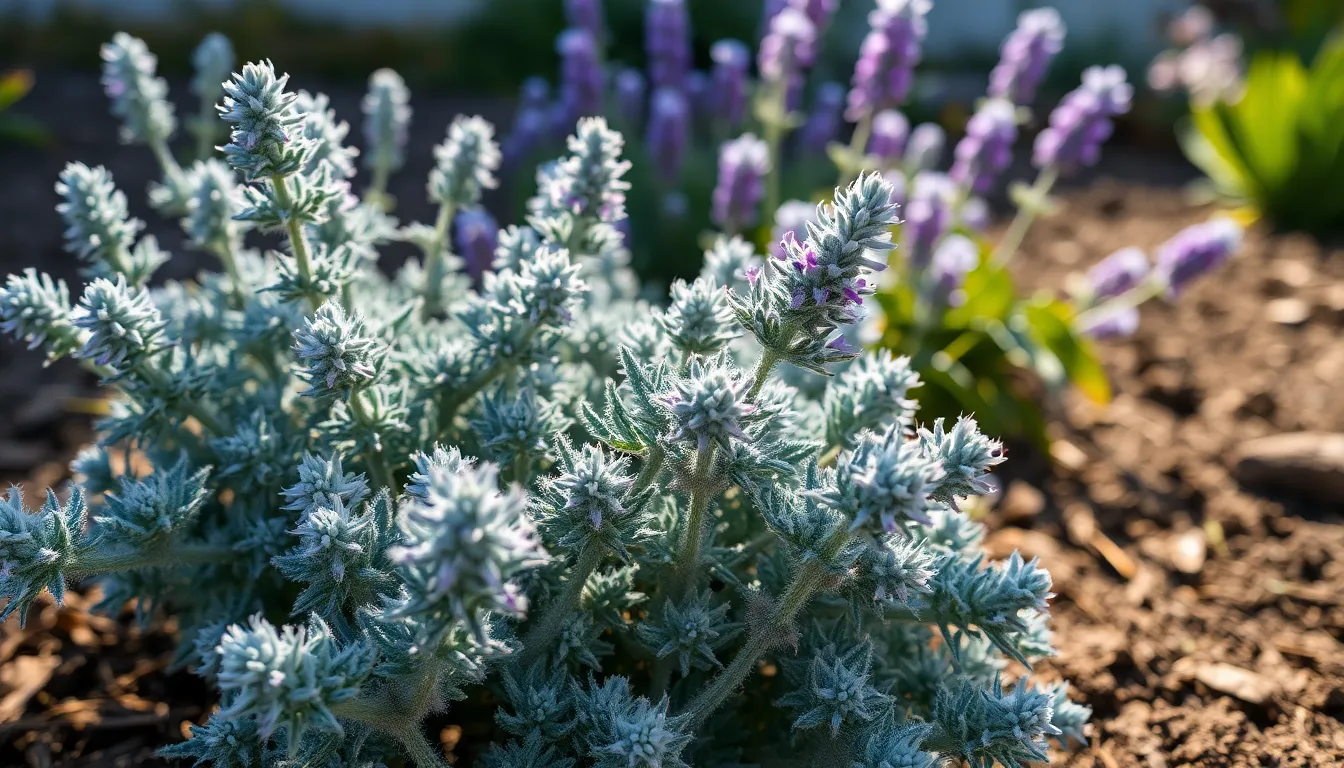
Sage might just be the unsung hero of the herb world. With its aromatic leaves and culinary charm, it deserves a spotlight, but first, one must master the art of sage plant identification. Imagine whipping up a delicious dish only to realize you’ve accidentally grabbed a lookalike—yikes! That’s a recipe for disaster, not just dinner.
Whether you’re a seasoned gardener or a curious kitchen novice, knowing how to identify sage can elevate your culinary creations and impress your guests. From its distinctive fuzzy leaves to its unique scent, sage isn’t just another herb; it’s a culinary powerhouse. So, let’s dive into the fascinating world of sage identification and unlock the secrets to distinguishing this flavorful plant from its impostors. After all, who wouldn’t want to be the sage whisperer of their backyard?
Sage plants belong to the Salvia genus and encompass over 900 species worldwide. Common sage, or Salvia officinalis, stands out as the most recognized cultivar in culinary use. These plants thrive in well-drained soil and sunny locations, showcasing their adaptability to various garden types.
Distinct features characterize sage plants. Leaf structures exhibit a fuzzy texture with a gray-green or silvery hue. Sage flowers bloom in shades of purple, blue, white, or pink, creating a striking appearance during the growing season.
Non-culinary sages also exist, with some offering decorative appeal or medicinal properties. For example, the pineapple sage (Salvia elegans) emits a sweet fragrance, attracting pollinators to gardens. Conversely, other species contain toxic elements, underscoring the importance of accurate identification.
Sage plants prefer dry conditions and resist excessive moisture. This resilience makes them favorable for xeriscaping, a method emphasizing water-efficient landscaping. Their low maintenance needs further enhance their popularity among gardeners of all levels.
Understanding the differences between sage species becomes vital for proper identification. Cultivars may vary in leaf shape, aroma, and habitat preferences. Knowing these distinctions aids in selecting the right sage for culinary or ornamental use, allowing gardeners to enjoy its many benefits.
Ultimately, recognizing sage’s unique characteristics enhances gardening practices and culinary experiences. Recognizing its essential qualities empowers individuals to confidently incorporate sage into their culinary creations. By mastering sage identification, one can ensure the right herb is used while avoiding potential confusions with similar plants.
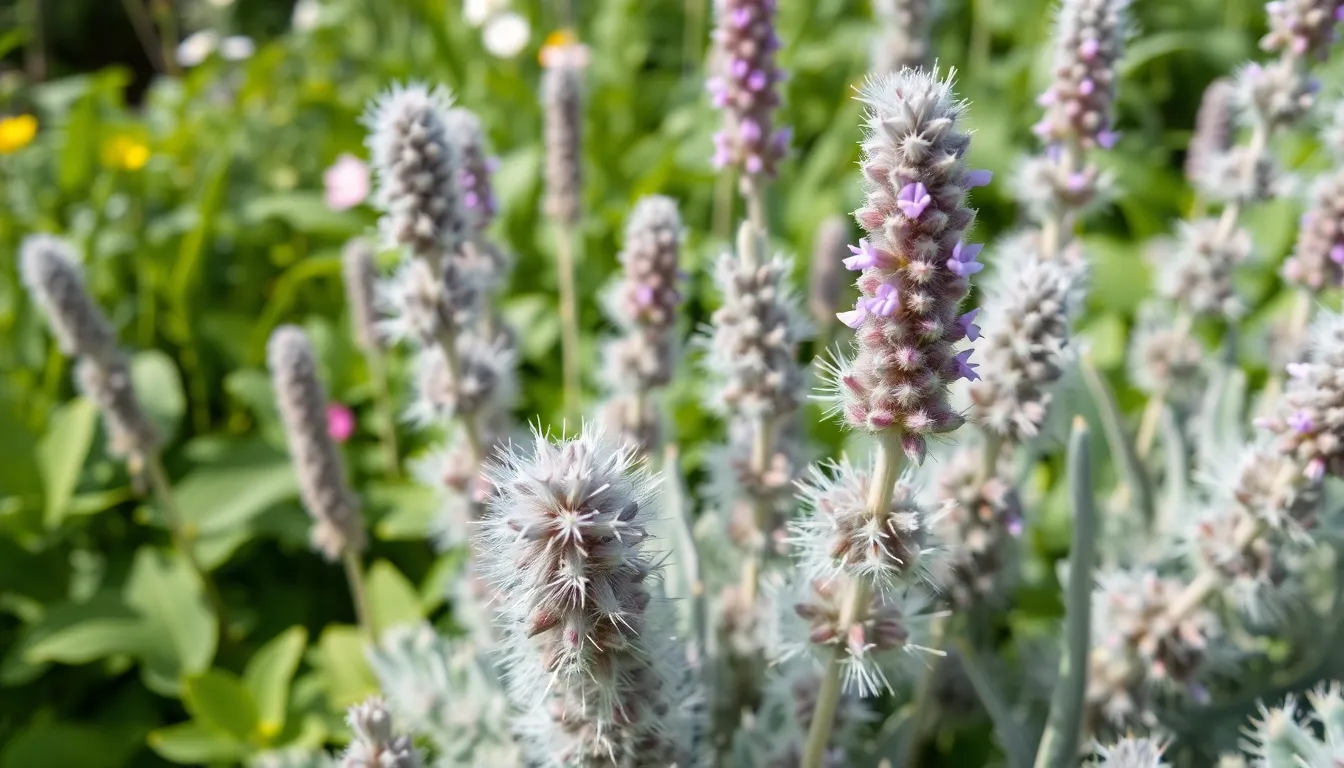
Sage plants exhibit distinct features that make identification straightforward for both novice and experienced gardeners. Recognizing these characteristics ensures proper selection for culinary or ornamental purposes.
Leaves of sage plants possess a fuzzy texture, contributing to their unique appearance. Gray-green or silvery hues dominate the foliage, enhancing its visual appeal in gardens. Some species present more vibrant colors, including purple and variegated options. The oval, elongated shape of the leaves typically ranges from 2 to 4 inches in length. Additionally, the aromatic quality of the leaves, attributed to essential oils, becomes prominent when gently rubbed or crushed.
Sage plants produce flowers that vary in shape and color, enhancing their ornamental value. Blooming often occurs in late spring to early summer, attracting pollinators like bees and butterflies. Flower clusters emerge on tall spikes and may feature shades of purple, blue, white, or pink. Each specific sage species exhibits distinct flowering patterns, such as the whorled arrangement seen in common sage. Observing flower shape and color aids in distinguishing between the numerous sage varieties available.
Sage plants offer a variety of types, each with unique characteristics and uses. Exploring these common varieties aids in identification and selection for culinary or ornamental purposes.
Common garden sage, known as Salvia officinalis, stands out for its culinary value. Leaves are gray-green, fuzzy, and aromatic, typically measuring 2 to 4 inches long. This variety thrives in sunny locations and well-drained soil. Culinary applications highlight its rich flavor profile, enhancing dishes like stuffing and soups. Observing its lavender flowers, which bloom from late spring to early summer, assists gardeners in recognizing this particular sage. With its low maintenance needs, common garden sage appeals to both novice gardeners and seasoned chefs.
Purple sage features striking purple leaves that add a vibrant touch to gardens and plates. Its scientific name, Salvia doris, reflects its distinct coloration, which ranges from deep purple to soft lavender. Leaves are aromatic and often larger than those of common sage. This variety pairs well with meats, sauces, and roasted vegetables, providing a unique flavor. Blooming with purple flowers in late spring, purple sage attracts pollinators. Gardeners value its drought tolerance, making it suitable for xeriscaping gardens and enhancing landscape aesthetics.
Golden sage, or Salvia officinalis ‘Icterina,’ boasts striking golden and green leaves that brighten garden spaces. The distinctive coloration makes it particularly eye-catching, while its fragrance remains consistent with other sage varieties. Known for its culinary versatility, golden sage enhances savory dishes, especially poultry and fish. Flowering occurs from late spring through summer, producing small flowers that attract beneficial insects. This variety flourishes in well-drained soil and sunny areas, appealing to gardeners seeking both beauty and functionality in their herb gardens.
Sage thrives under specific conditions that support its growth and development. Understanding these factors enhances successful cultivation.
Sage prefers well-drained soil with a pH between 6.0 and 7.0. This herb tolerates various soil types, including sandy and loamy options. Adding organic matter improves drainage and nutrient retention, making it optimal for sage. Soil that remains soggy can lead to root rot, so effective drainage is crucial. Mulching helps retain moisture while preventing weed growth. Gardeners often benefit from testing the soil to determine its nutrient composition before planting.
Sage enjoys a warm climate with full sun exposure. Ideal temperatures range from 60°F to 70°F (15°C to 21°C) during the growing season. It also tolerates drought, making it suitable for xeriscaping. Cold temperatures, particularly below 20°F (-6°C), can damage the plant. Sage grows well in USDA hardiness zones 5 through 9, allowing for successful planting in diverse regions. Minimizing humidity around sage prevents fungal issues, supporting a healthy growth environment.
Identifying sage plants requires observation and specific techniques. Following these methods ensures accurate recognition of various species.
Fuzzy, gray-green leaves characterize sage plants. Leaves typically range from 2 to 4 inches, showcasing a distinctive texture. The aromatic scent releases upon crushing or rubbing leaves. Observing the flowers adds another layer to identification; they bloom in colors like purple, blue, white, or pink. Flowering occurs from late spring to early summer, attracting pollinators. Knowing these details helps distinguish sage species and prevents confusion with similar plants.
Consulting botanical guides enhances identification accuracy. Detailed illustrations and descriptions help users compare leaf shapes, sizes, and flower colors. Many reputable guides provide regional information, increasing the chances of correctly identifying local sage varieties. Identifying sage in different settings becomes easier with resources that include photographs and classification charts. Utilizing these guides supports informed gardening and culinary choices, empowering users to confidently select the right sage.
Mastering sage plant identification opens up a world of culinary possibilities and gardening success. By recognizing the unique features of various sage species, individuals can confidently select the right plant for their needs. Whether for flavoring dishes or enhancing garden aesthetics, understanding sage’s characteristics ensures a rewarding experience. With the right knowledge and resources, anyone can enjoy the benefits of this versatile herb while avoiding potential pitfalls with lookalikes. Embracing the art of sage identification enriches both cooking and gardening journeys, making it a valuable skill for enthusiasts at any level.
